

Introduction
In the age of social media, platforms like Twitter offer an invaluable source of public opinion and sentiment. Understanding this sentiment can provide critical insights for businesses, researchers, and analysts. In this blog post, we’ll explore a project that analyzes Twitter sentiment using a logistic regression model. This project aims to classify tweets as positive, negative, or neutral, offering actionable insights into public sentiment.
Data Collection and Preprocessing
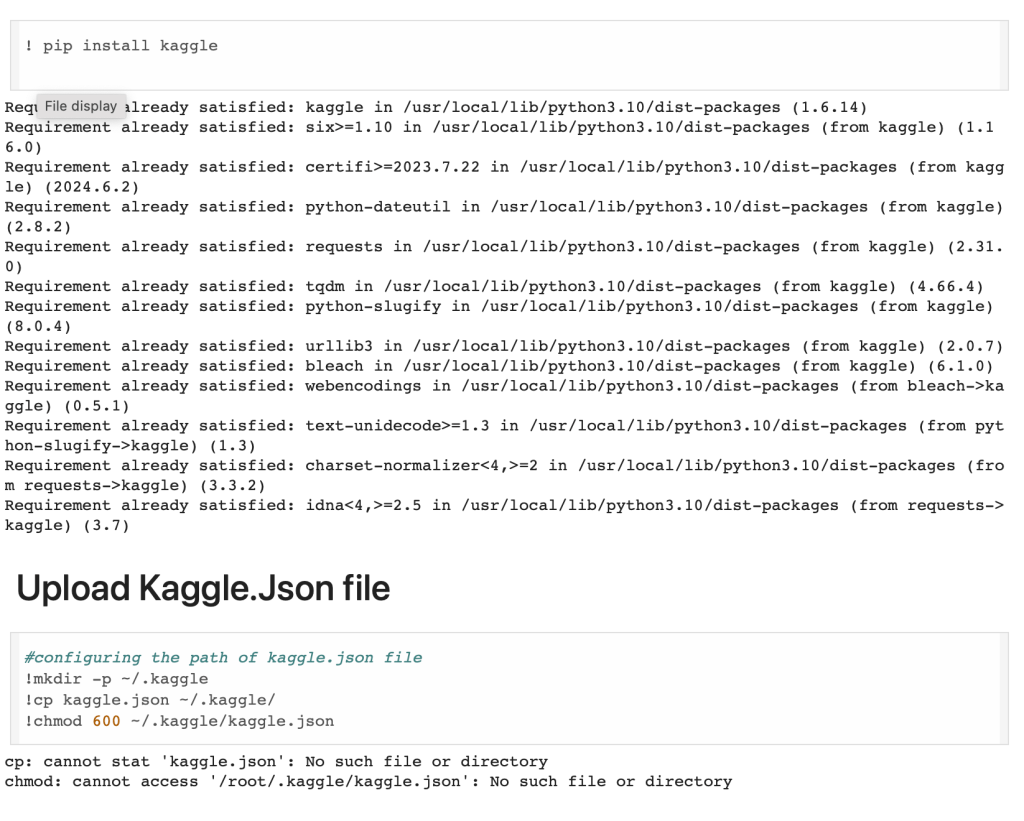
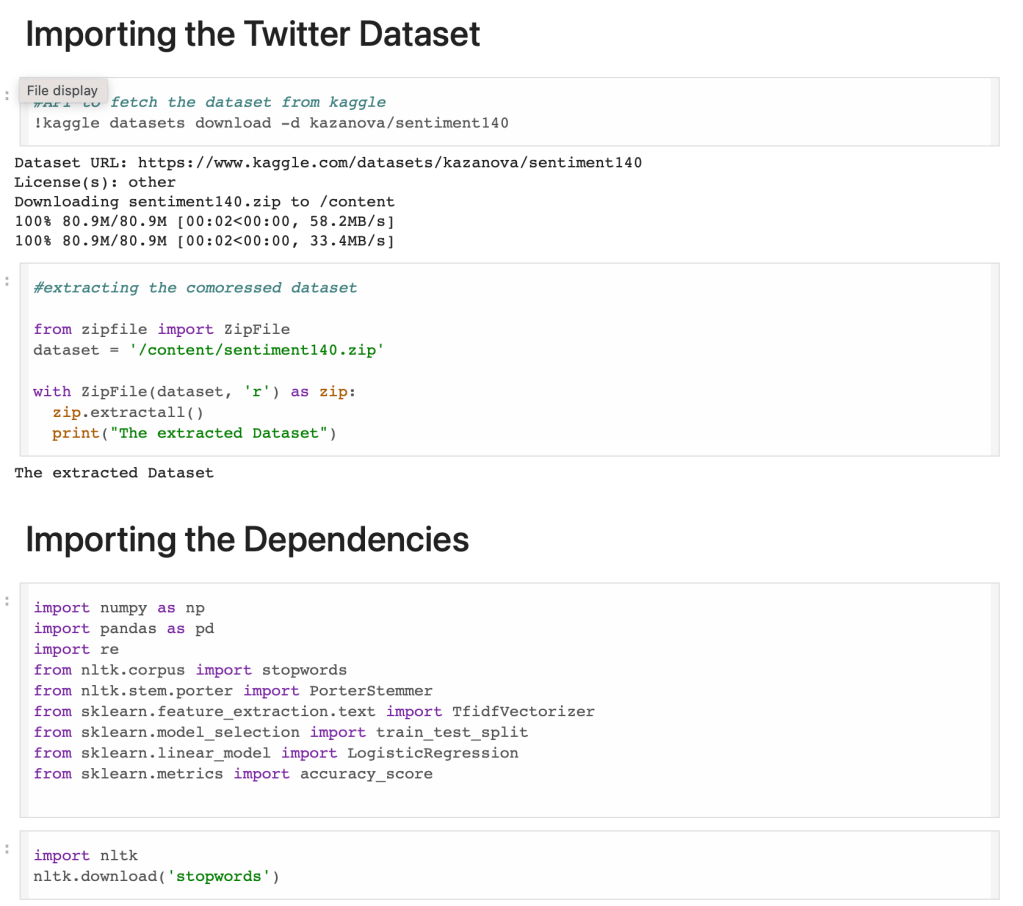
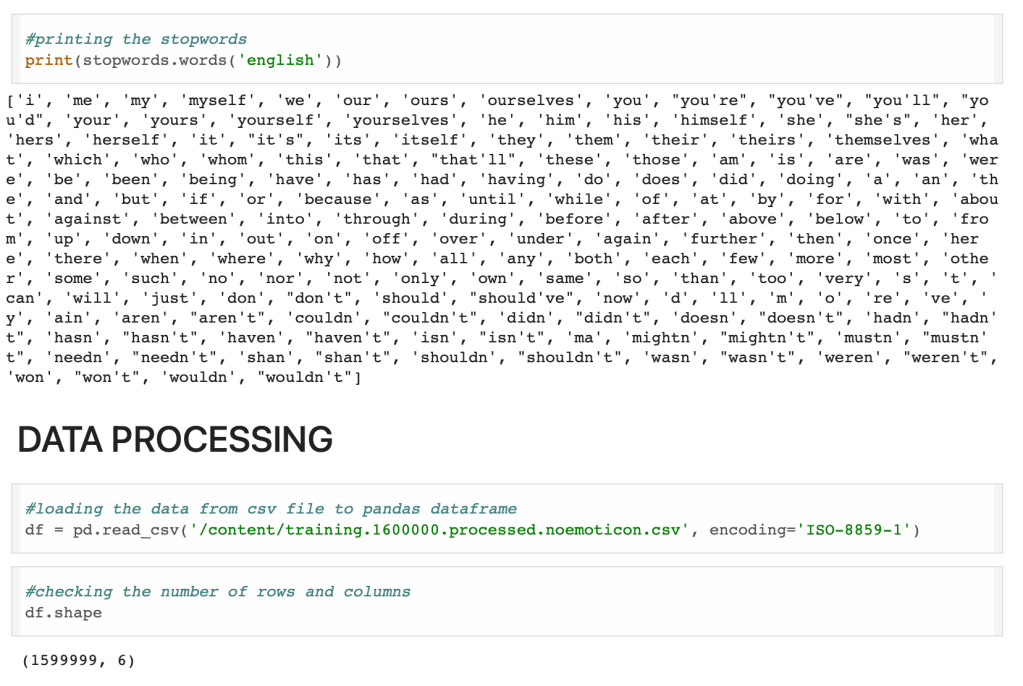
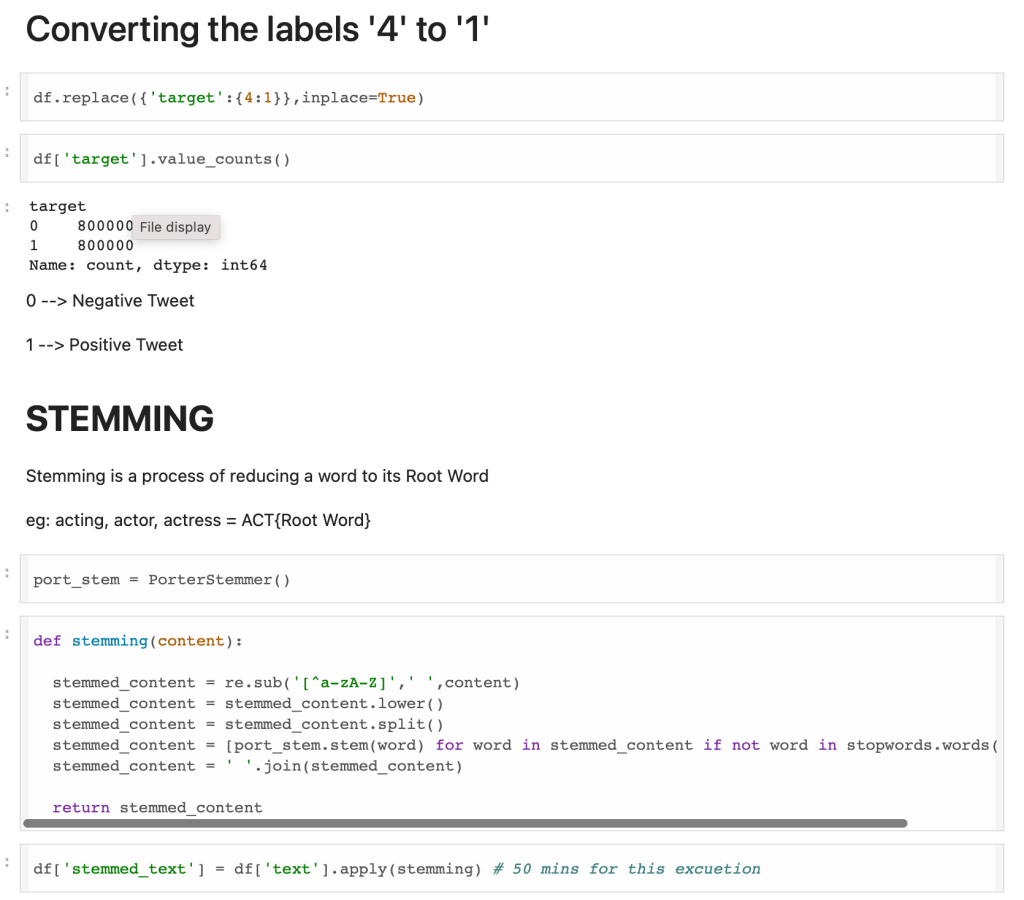
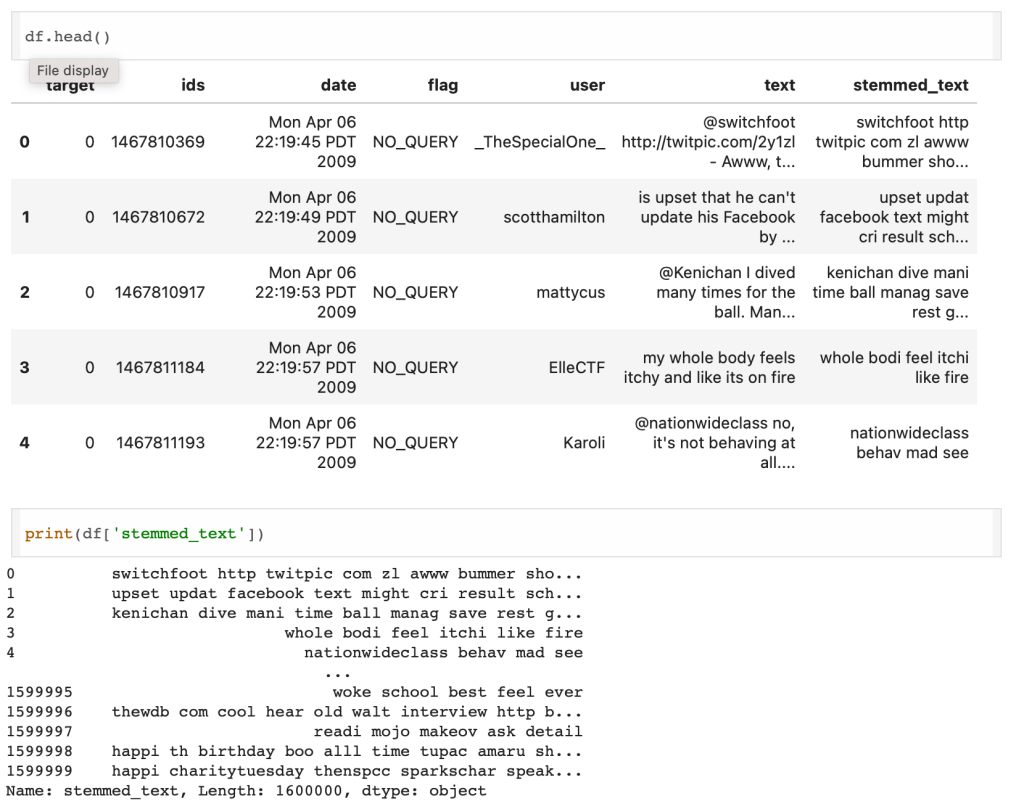
We began by loading the Kaggle dataset, which contains tweets labeled with sentiments. Preprocessing steps included cleaning the text data, removing special characters, and tokenizing the tweets. We also applied stemming, which reduces words to their root forms, ensuring that words like “running” and “ran” are treated as the same word, “run.” This preparation was essential to ensure the data was in the best possible format for analysis.
Sentiment Analysis with Logistic Regression
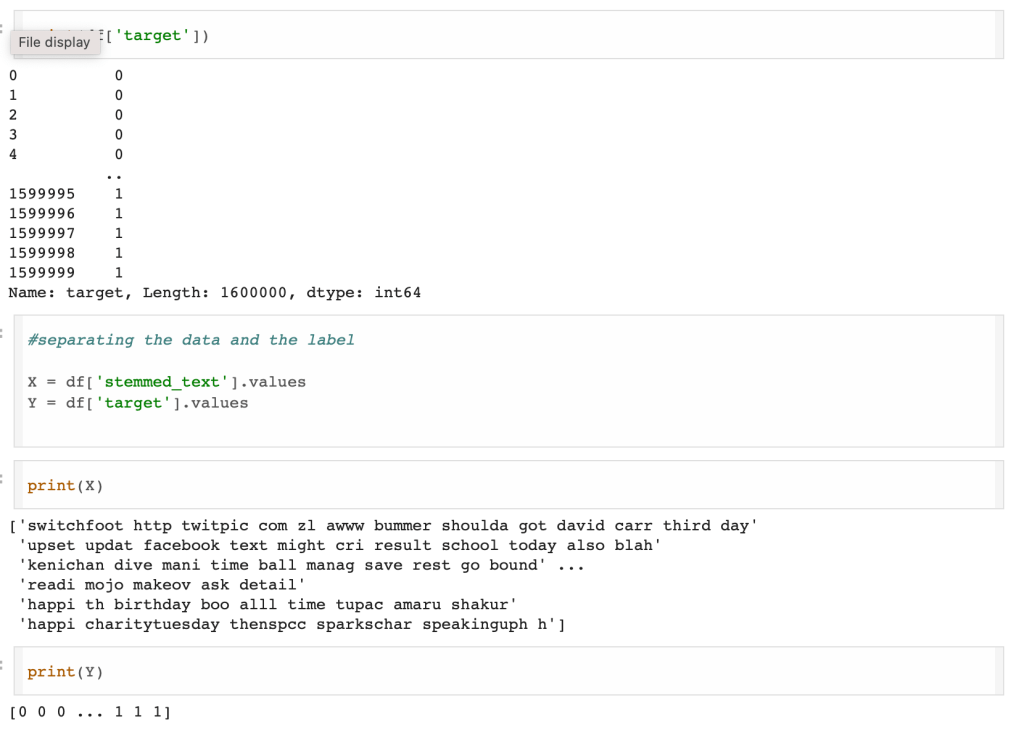
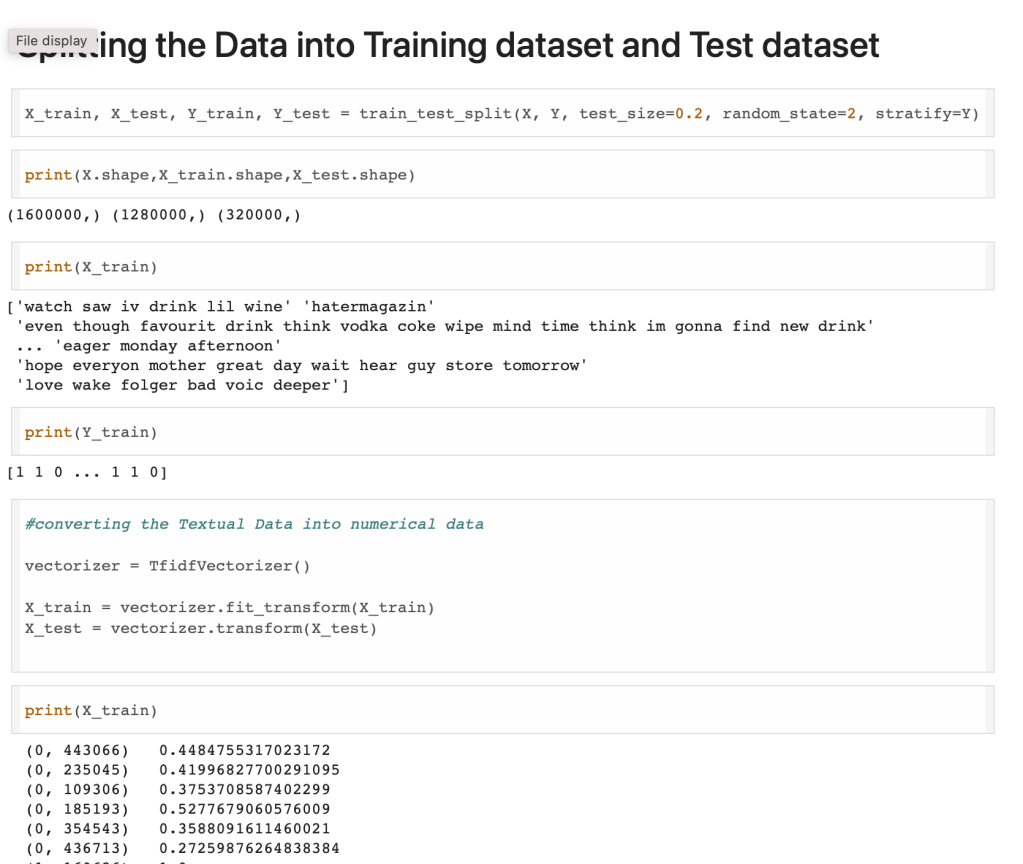
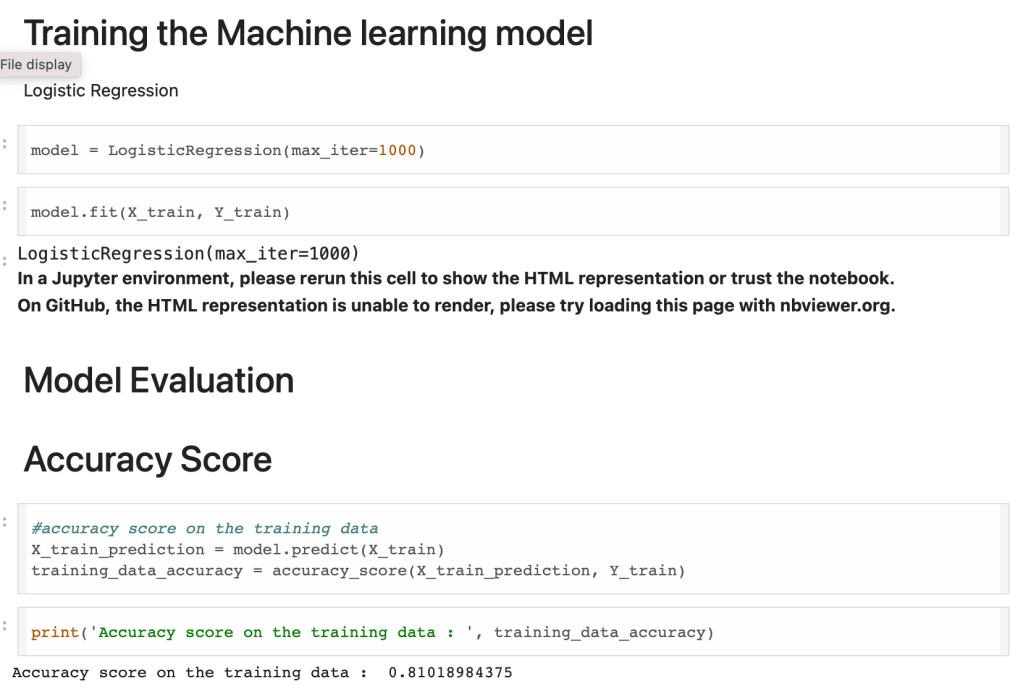
With the cleaned and stemmed data, we proceeded to sentiment analysis using a logistic regression model. We split the dataset into training and testing sets, vectorized the text data, and trained the model. The logistic regression model was chosen for its simplicity and effectiveness in handling classification tasks.
Conclusion
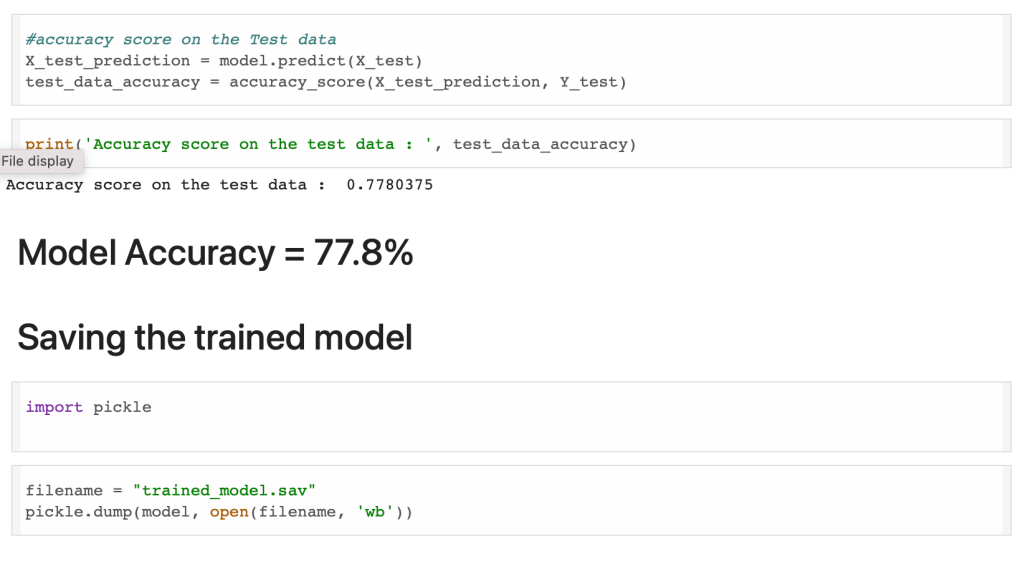
Our Twitter sentiment analysis project using logistic regression demonstrated the model’s effectiveness in classifying tweets with a high degree of accuracy. Through this analysis, we gained valuable insights into public sentiment on various topics. The logistic regression model’s simplicity and interpretability made it an excellent choice for this task, effectively handling the complexity of Twitter data.
 DATA SCIENCE